

The Different Types Of Yoga

Yoga
It is derived from the Sanskrit word Yuj, which means union, and is a set of postures (asanas), breathing and meditation techniques. These techniques enable the union of the mind, body and sprit. This holistic science emphasises that this union is necessary for a person seeking good health and well-being. Although yoga and yogis have existed in India since time immemorial (an Indus Valley seal bears the image of a man sitting in the lotus position), Sage Patanjali is considered as the Father of Yoga. He formulated the Astanga Yoga, the yoga with eight paths that is widely practised today.

Sarvangasana
For those with little time to spare, this posture is something that can help. It offers a raft of benefits ranging from easing problems related to too little or too much sleep (when practised in the morning); it also promotes a restful night when done in the evening. The increased blood flow headaches, nasal congestion and sore throats. Since richly oxygenated blood is sent to the relax body, the lower limbs also get a chance to relax, thus relieving swollen or painful feet. Yoga masters also recommend this posture to improve the working of the digestive system and gastro-intestinal tract.

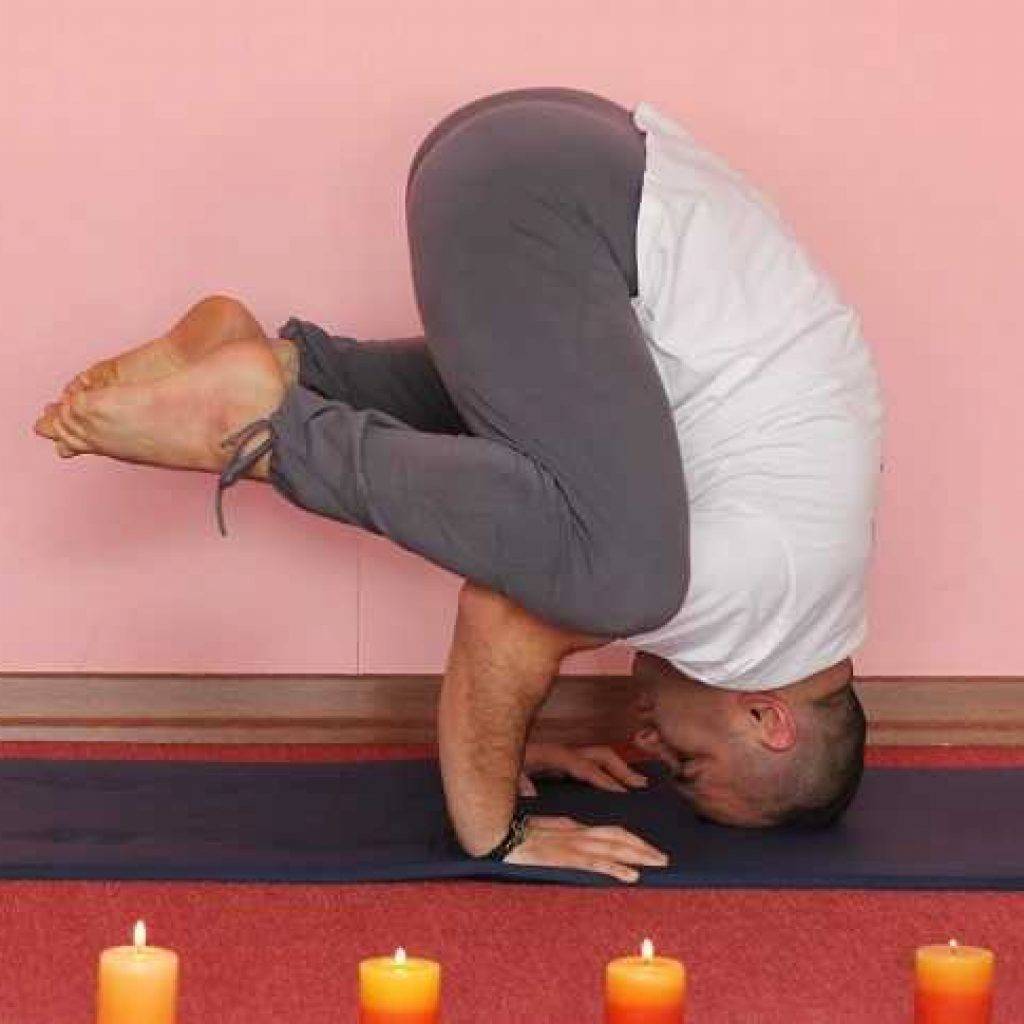
Shirasasan
The headstand is among the most identification yoga exercise and makes exacting demands on both physical and mental strength. Yoga instructors recommend that you master some simpler postures before trying this more complex one; first-timers are advised to use a wall for support. The biggest benefits of this asana are to the neck, spine and brain. It relieves stress and tension to the lower body and also enhances memory and attention span. 
 
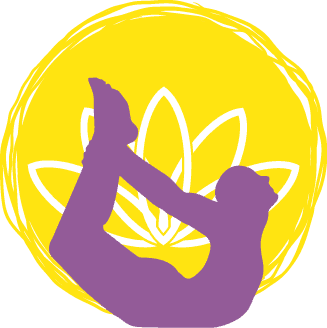
Chakrasana
Also known as the urdhvadhanurasana, the back arch strengthens your back and restores its suppleness. It also strengthens the arms, shoulders and upper back and stimulates the cardiovascular system and works as a tonic for the entire body. 

Breathing Exercises
There is a set of asanas designed for improving the breath. Here each movement is followed closely with inhalation and exhalation. Care is taken to expand the lungs and relax the muscles assisting breathing and thereby improving the huge capacity. Source

About the Blogger

yogaguru has written 568 stories on this site.

Manoj Jain is a blogger from Kolkata, India. He love blogging during his leisure time. Please visit his website @ http://www.manoj.co.in


Copyright © 2010 Yoga.am : Yoga Blog. All rights reserved.
Blog by Manoj Jain

Terms of Use & Privacy Policy
Powered by WordPress.org, Custom Theme and ComFi.com Calling Card Company.